
Kleos Health

We Know Healthcare.™

Kleos Connect

Post-Procedure Skincare for Clinics: The Exosome Sheet Mask and Barrier Cream

The last fifteen minutes of a treatment shape how patients remember it. A cooling exosome sheet mask followed by a rich barrier cream turns the end of a microneedling, laser or peel appointment into a premium experience, and sends patients out the door with skin that looks calm, hydrated and radiant.

Why the finishing step matters

Patients judge a treatment by how their skin looks and feels when they leave, and by what they see in the mirror over the next few days. A thoughtful finishing step does four things for a clinic:

  • It signals a premium service and justifies a premium price.
  • It creates a visible, photographable moment patients share.
  • It adds simple add-on revenue to treatments you already book.
  • It gives your team a consistent way to end every appointment.

The exosome sheet mask

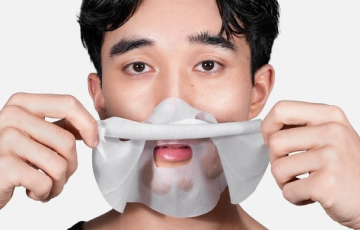
A sheet mask holds a serum against the skin for a set time while the patient relaxes. An exosome sheet mask combines that ritual with advanced exosome skincare, for skin that looks hydrated, calm and radiant at the end of the visit. Clinics use it after facials, peels, microneedling, RF microneedling and laser treatments, applied as directed on the label.

The exosome barrier cream

A barrier cream is the last layer. It locks in moisture and leaves skin feeling soft, smooth and comfortable in the hours after a professional treatment. Many clinics include it in a simple aftercare kit so patients continue the ritual at home.

A simple post-procedure protocol

  • Complete the treatment following your clinic protocol.
  • Apply topical exosome or PDRN skincare as the finishing step, as directed on the label.
  • Apply the exosome sheet mask for the time stated on the label.
  • Finish with the exosome barrier cream.
  • Give the patient written aftercare instructions, with barrier cream if it is part of your kit.

Always follow the product labelling and your own professional judgment.

How to present it to patients

Keep it simple and cosmetic: “We finish with an exosome sheet mask and barrier cream, so your skin looks calm, hydrated and radiant when you leave.” Avoid medical words such as heal, repair, recovery or downtime. They are not cosmetic claims, and they set expectations no cosmetic should promise.

How Kleos Health helps

Kleos Health supplies an exosome sheet mask and exosome barrier cream alongside its Advanced Exosome Technology and Advanced PDRN Technology, and builds post-procedure protocols around each clinic’s devices and menu. See the Youthful Visage Masque or speak with our team.

Frequently asked questions

When is an exosome sheet mask applied?
Most clinics apply it at the end of the appointment, after the treatment and any finishing serum, for the time stated on the label.

What does a barrier cream do?
A barrier cream locks in moisture and leaves skin feeling soft, smooth and comfortable. It is a cosmetic, applied to the skin as directed.

Can a sheet mask be part of a premium add-on?
Yes. Many clinics bundle the sheet mask and barrier cream into a signature finishing step or aftercare kit.

Where can clinics buy exosome sheet masks and barrier cream in Canada and the US?
Kleos Health supplies them to licensed clinics across Canada and the United States.

Kleos Connect.

Korean Skincare in the Clinic: Bringing PDRN, Exosomes and K-Beauty Protocols to Your Practice

Why Korean skincare technologies such as PDRN and topical exosomes are in demand in Canadian and US clinics, and how to build K-beauty protocols into your menu.

Read More

Post-Procedure Skincare for Clinics: The Exosome Sheet Mask and Barrier Cream

How clinics finish microneedling, laser and peel appointments with an exosome sheet mask and barrier cream, for skin that looks calm, hydrated and radiant.

Read More

Exosomes vs PDRN: Which Advanced Topical Technology Fits Your Clinic?

A side-by-side comparison of topical exosome and PDRN (salmon DNA) skincare for clinics: what each is, how patients respond to each, and when to offer one, the other or both.

Read More